
Category: Artificial Intelligence
-
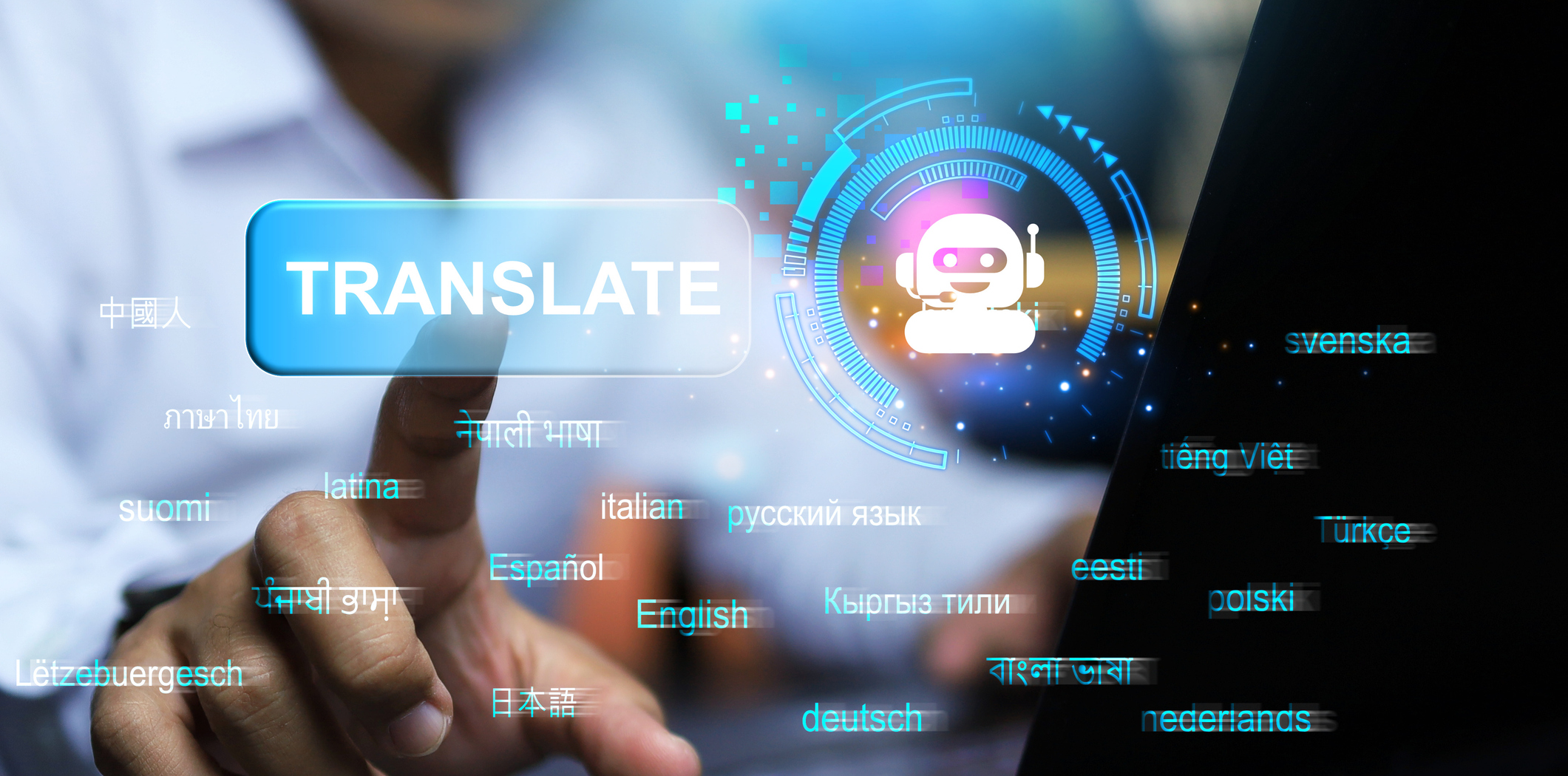
PAAIR challenge conversation: What are the issues arising from AI translation tools in higher education?
A/Prof Tim Fawns hosts a discussion with international students Tina and Selena, Dr Goh See-Kwong, Dr Helen Gniel, and A/Prof Beatrice Trefalt on the role of AI translation tools in teaching, learning, and assessment.
-

Making evidence of learning visible at Monash: Beyond detection and invigilation
In contrast to AI detectors and tightened invigilation, Monash focuses on evidence of learning and programmatic assessment. A/Prof Tim Fawns, Prof Ari Seligmann, and Prof Claire Palermo explore the University’s current approach to AI in education.
-

PAAIR challenge conversation: How can we respect Indigenous Knowledges in responding to the challenges of AI in education?
A post based on a thought-provoking panel discussion featuring Dr Tamika Worrell and Professor Tristan Kennedy who explored how institutions can navigate AI, honour Indigenous Knowledges, and embrace relationality and diverse perspectives in education.
-

PAAIR challenge space conversation: How do learning outcomes work in programmatic assessment?
Tim Fawns speaks with Professors Claire Palermo, Ari Seligmann, and Liesbeth Baartman about designing curricula for coherent, cumulative learning. They explore aligning outcomes across courses and units, tracking development over time, and recognising meaningful learning beyond formal assessments.
-
PAAIR challenge space conversation 1: How can we translate programmatic assessment across disciplinary boundaries?
How can programmatic assessment work across diverse disciplines? Tim Fawns reflects on complexity, culture, and collaborative change in the first PAAIR Challenge Space Conversation.
-

What’s uniquely yours when artificial intelligence can do everything else? Rethinking how we learn with AI
Paula de Barba explores how cultivating self-awareness and self-regulated learning can help us use AI ethically and intentionally – highlighting that our unique, human insights remain essential in an AI-driven world.
-
Introducing AI as a collaborator in the writing process
Ari Seligmann and the Arts Educational Design team explore AI as a collaborator in academic writing. By reimagining essays for the AI era, they offer “recipes for writing with AI” that prompt educators to rethink how AI tools can support and challenge student thinking throughout the writing process.
-

Building actual and conceptual AI toolkits for contemporary education
Ari Seligmann discusses considerations of AI tools and their introduction into higher education.
-
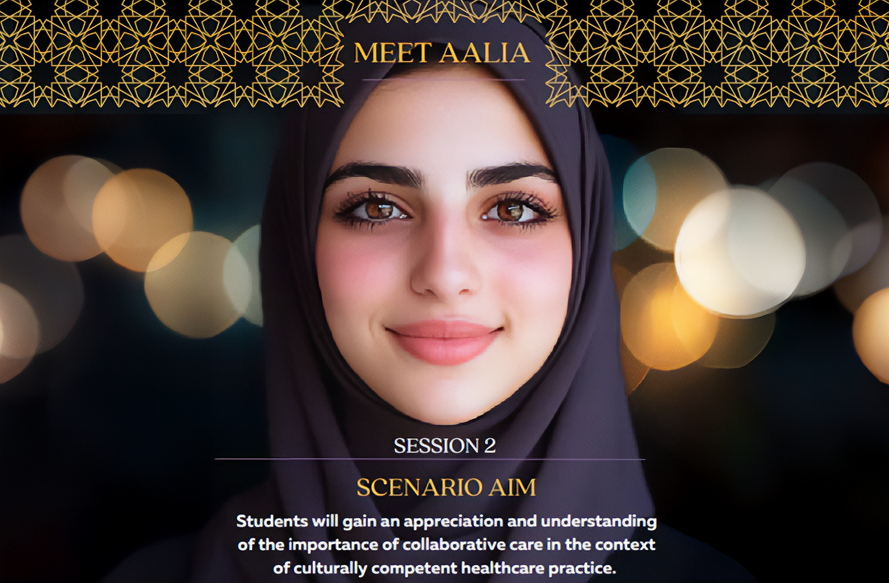
Leveraging AI simulations for enhancing cultural competence in healthcare: Insights from the COIL program
Zahra Aziz and Debra Kiegaldie narrate a story of Aalia – an AI-driven simulated patient and reflect on the role of immersive simulated educational experiences in fostering culturally sensitive approaches to patient-centred care.
-

AI and entrapment: A cautionary tale
Sandra Leonie Field reflects on the integration of AI in education. While AI tools can assist students in summarising readings and drafting essays, her recent experience reveals a more complex reality.
-

Unlocking education opportunities: authentic assessments in online programs
Zahra Aziz and Danijela Gasevic reflect on the importance of embedding authentic assessments within Master of Public Health (MPH) and Master of Health Administration (MHA) programs and provide practical guidelines for educators aiming to implement authentic assessment practices in their courses.
-
Responding to acute and chronic challenges of AI in Higher Education
Tim Fawns, Danny Liu and Jason Lodge discuss issues institutions face in responding to TEQSA’s Request for Information (RFI) on Artificial Intelligence, and opportunities and challenges for higher education.