

Welcome
Monash University’s teaching and learning blog is a dynamic platform dedicated to fostering a community of practice. Here, academic and professional staff come together to explore, discuss, and debate ideas and issues pertaining to teaching and learning in higher education.
Together, we’ll share innovative strategies, celebrate our successes, and reflect on our challenges. With your valuable contributions, we will build an even stronger network of practitioners extending across Monash’s diverse physical locations, as we collectively strive for excellence in education.
Join me in creating a space that celebrates diverse approaches to teaching and learning.
Associate Professor Tim Fawns (Monash Education Academy)
Recent posts
-
PAAIR challenge conversation: What are the issues arising from AI translation tools in higher education?
A/Prof Tim Fawns hosts a discussion with international students Tina and Selena, Dr Goh See-Kwong, Dr Helen Gniel, and A/Prof Beatrice Trefalt on the role of AI translation tools in teaching, learning, and assessment.
-
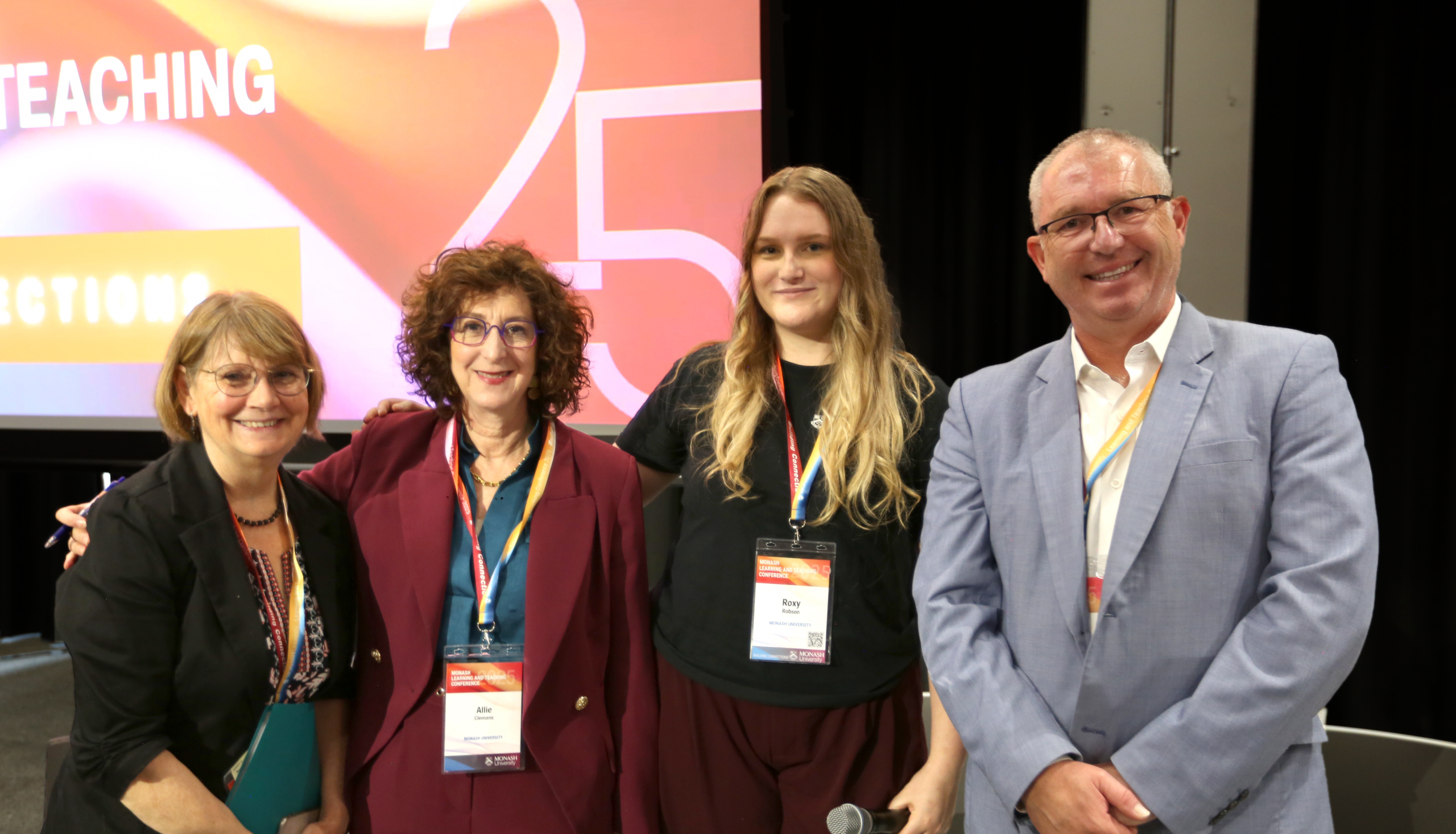
Building Connections: Reflections from the 2025 Monash Learning & Teaching Conference
Educators from across Victoria met at Monash College Docklands for the 2025 Monash Learning & Teaching Conference. Under the theme ‘Building Connections’, sessions explored how people, programs, and ideas shape future learning and teaching.
-

Making evidence of learning visible at Monash: Beyond detection and invigilation
In contrast to AI detectors and tightened invigilation, Monash focuses on evidence of learning and programmatic assessment. A/Prof Tim Fawns, Prof Ari Seligmann, and Prof Claire Palermo explore the University’s current approach to AI in education.
-

PAAIR challenge conversation: How can we respect Indigenous Knowledges in responding to the challenges of AI in education?
A post based on a thought-provoking panel discussion featuring Dr Tamika Worrell and Professor Tristan Kennedy who explored how institutions can navigate AI, honour Indigenous Knowledges, and embrace relationality and diverse perspectives in education.
-

PAAIR challenge space conversation: How do learning outcomes work in programmatic assessment?
Tim Fawns speaks with Professors Claire Palermo, Ari Seligmann, and Liesbeth Baartman about designing curricula for coherent, cumulative learning. They explore aligning outcomes across courses and units, tracking development over time, and recognising meaningful learning beyond formal assessments.
-
PAAIR challenge space conversation: What is needed to lead change towards programmatic approaches to assessment?
How do we lead sustainable, collective, programmatic change in teaching, assessment, and curriculum? Tim Fawns reflects on navigating uncertainty, tradition, and transformation in this PAAIR Challenge Space Conversation.
-
PAAIR challenge space conversation 1: How can we translate programmatic assessment across disciplinary boundaries?
How can programmatic assessment work across diverse disciplines? Tim Fawns reflects on complexity, culture, and collaborative change in the first PAAIR Challenge Space Conversation.
-

What’s uniquely yours when artificial intelligence can do everything else? Rethinking how we learn with AI
Paula de Barba explores how cultivating self-awareness and self-regulated learning can help us use AI ethically and intentionally – highlighting that our unique, human insights remain essential in an AI-driven world.
-

Inclusive teaching in the university classroom: Navigating complexity with care
Erin Leif, Umesh Sharma, and Jayde de Bondt share practical strategies to foster inclusive university classrooms. By considering students’ diverse identities – such as disability, culture, and gender – they highlight how small, intentional changes can create more equitable and accessible learning environments.
-
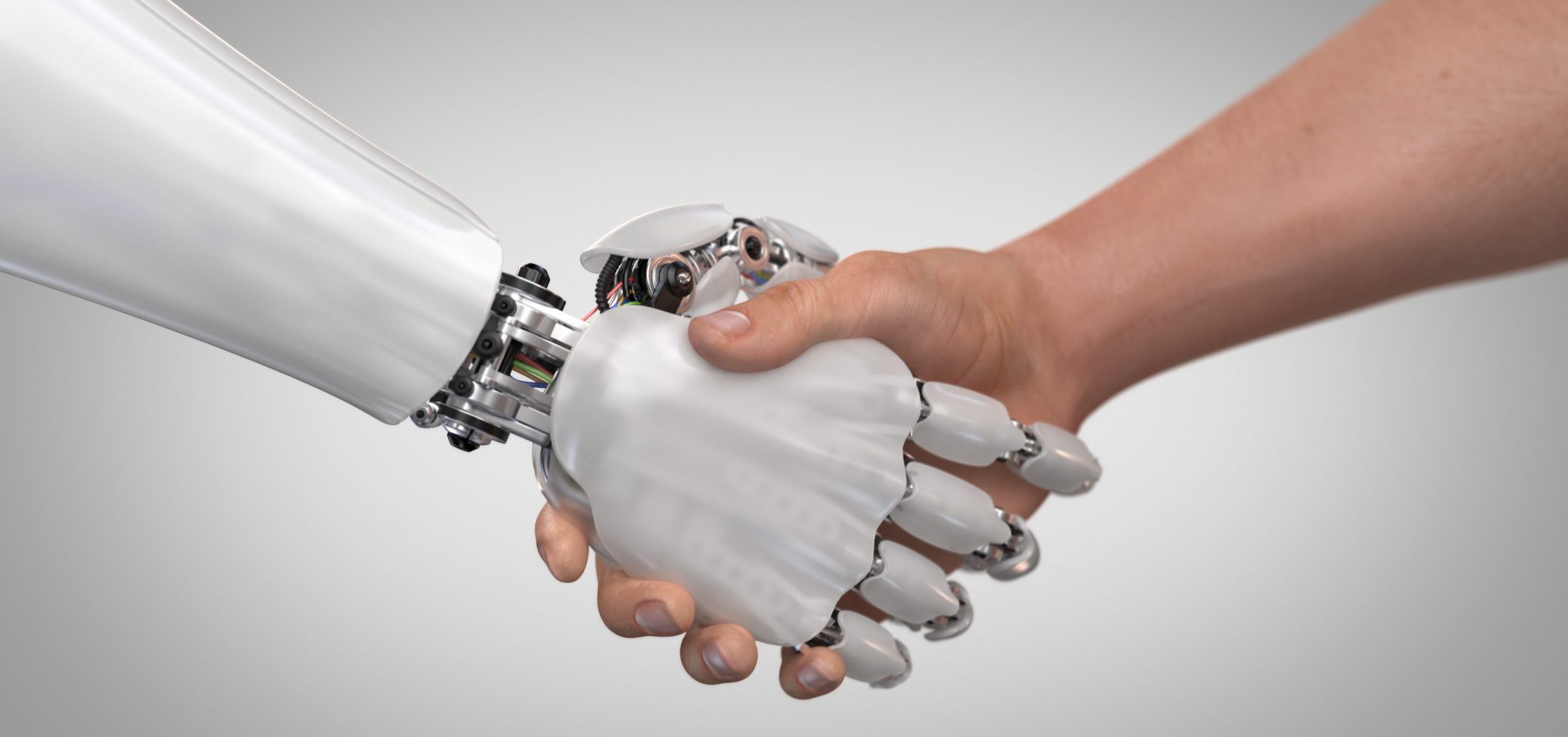
Introducing AI as a collaborator in the writing process
Ari Seligmann and the Arts Educational Design team explore AI as a collaborator in academic writing. By reimagining essays for the AI era, they offer “recipes for writing with AI” that prompt educators to rethink how AI tools can support and challenge student thinking throughout the writing process.
-

Building actual and conceptual AI toolkits for contemporary education
Ari Seligmann discusses considerations of AI tools and their introduction into higher education.
-
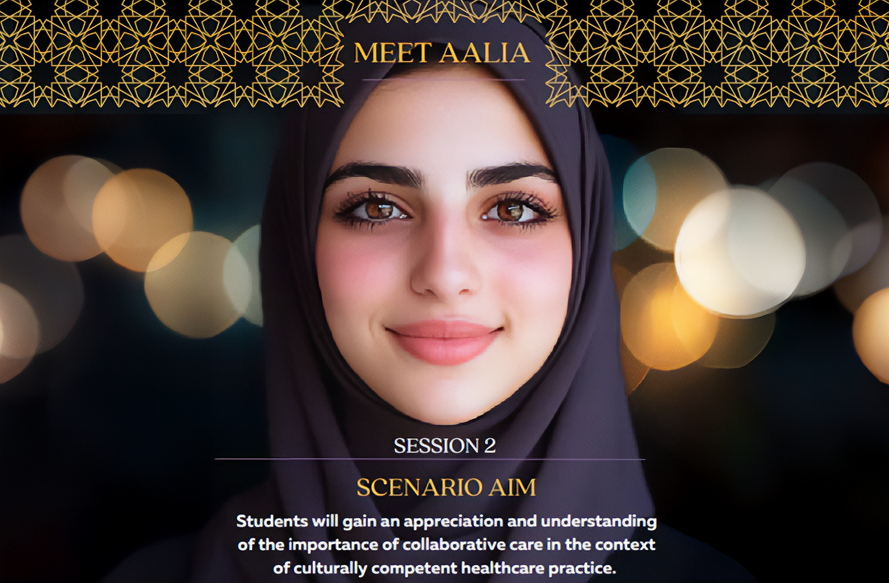
Leveraging AI simulations for enhancing cultural competence in healthcare: Insights from the COIL program
Zahra Aziz and Debra Kiegaldie narrate a story of Aalia – an AI-driven simulated patient and reflect on the role of immersive simulated educational experiences in fostering culturally sensitive approaches to patient-centred care.