
Category: Engagement
-

Engaging students by fostering critical thinking – but how?
Memorable engagement happens when students are motivated to think critically. Dr Tam Duc Dinh shares five practices and six dimensions they use in case-based tutorials to build a no-fear culture and help students reason, question, and use evidence.
-
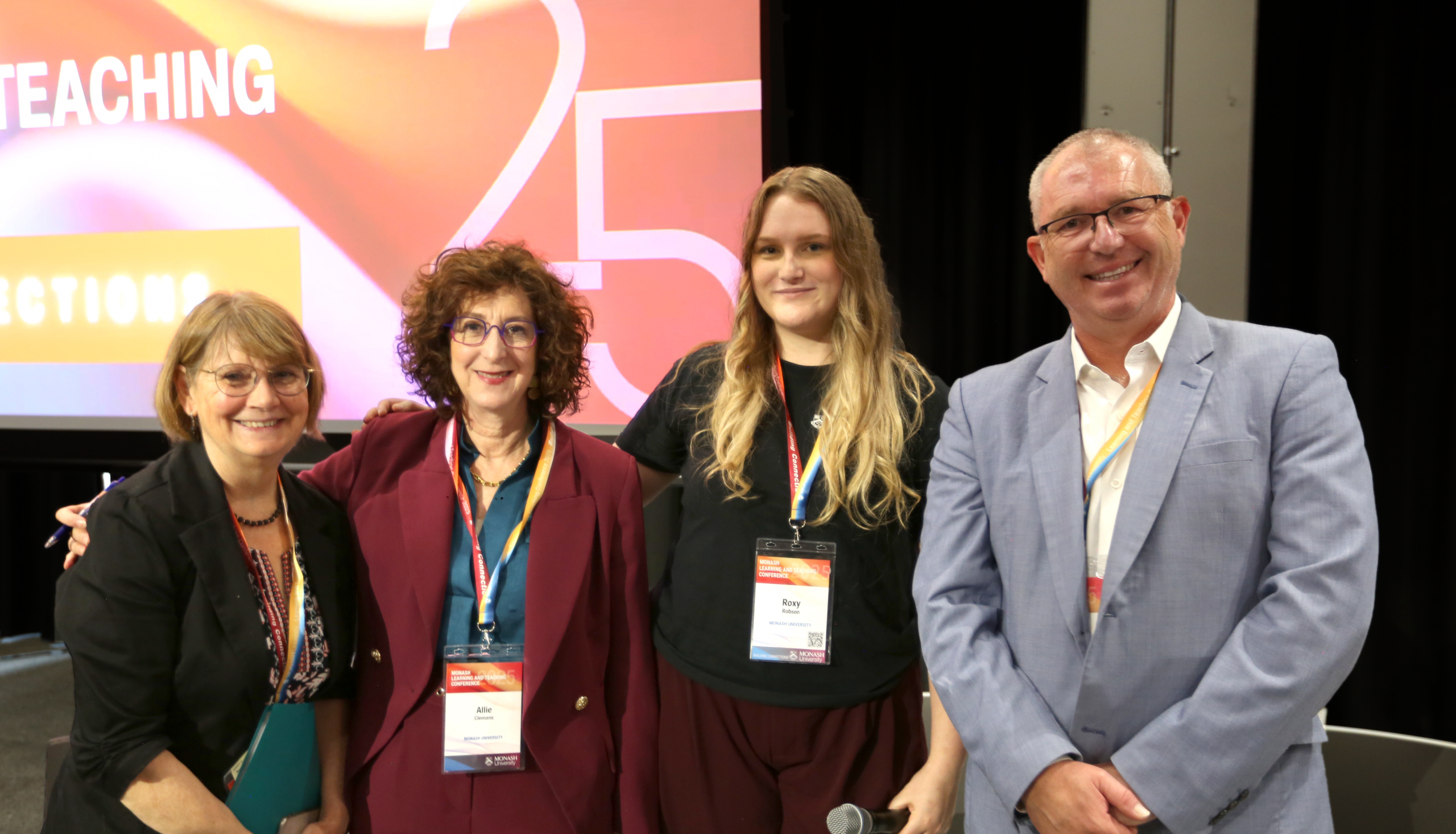
Building Connections: Reflections from the 2025 Monash Learning & Teaching Conference
Educators from across Victoria met at Monash College Docklands for the 2025 Monash Learning & Teaching Conference. Under the theme ‘Building Connections’, sessions explored how people, programs, and ideas shape future learning and teaching.
-

PAAIR challenge space conversation: What is needed to lead change towards programmatic approaches to assessment?
How do we lead sustainable, collective, programmatic change in teaching, assessment, and curriculum? Tim Fawns reflects on navigating uncertainty, tradition, and transformation in this PAAIR Challenge Space Conversation.
-

Inclusive teaching in the university classroom: Navigating complexity with care
Erin Leif, Umesh Sharma, and Jayde de Bondt share practical strategies to foster inclusive university classrooms. By considering students’ diverse identities – such as disability, culture, and gender – they highlight how small, intentional changes can create more equitable and accessible learning environments.
-
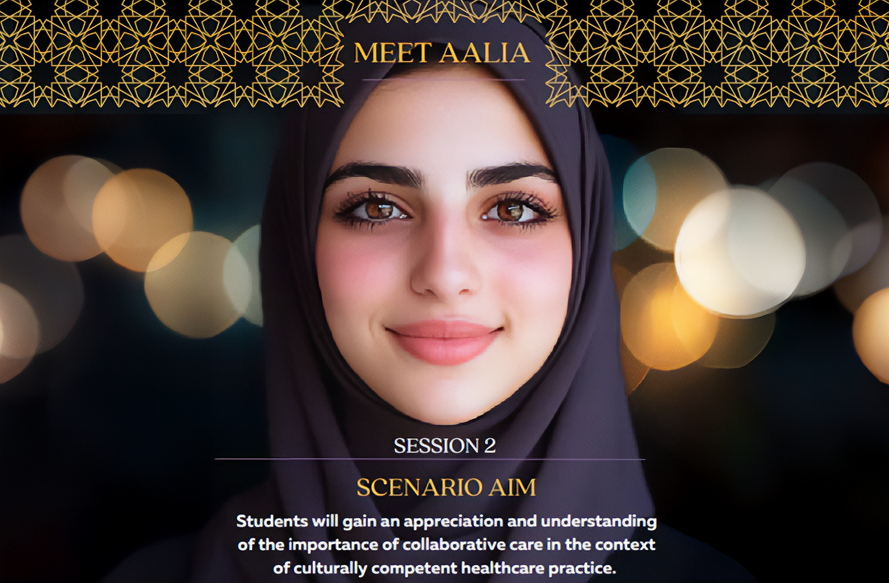
Leveraging AI simulations for enhancing cultural competence in healthcare: Insights from the COIL program
Zahra Aziz and Debra Kiegaldie narrate a story of Aalia – an AI-driven simulated patient and reflect on the role of immersive simulated educational experiences in fostering culturally sensitive approaches to patient-centred care.
-

OERs: How simple textbook swaps create more inclusive student experiences
Open Educational Resources (OER) offer a powerful way to improve access, reduce costs, and support inclusive learning. Australian educators are increasingly using OERs and open access reading lists to challenge curriculum inequities, including racial, gender, and disability bias, and to address disparities in digital access and resourcing.
-
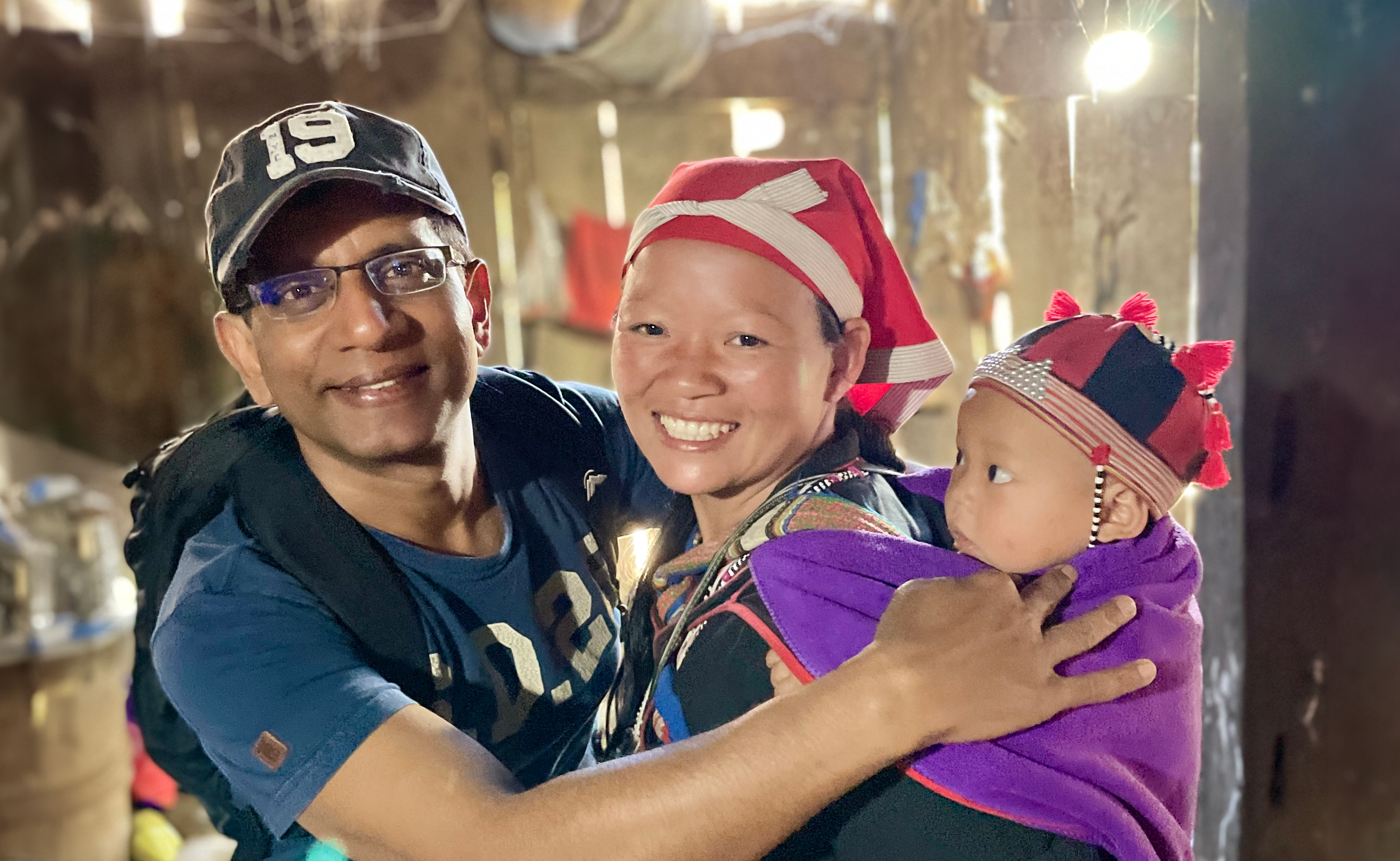
Exploring the world to enhance the classroom: A journey of multilingual learning
Raqib Chowdhury reflects on how his extensive travels across linguistically diverse regions have enriched his teaching on bi- and multilingualism. By integrating real-world ethnographic experiences, he bridges theory and practice, fostering critical reflection among students on their own linguistic identities and the socio-political forces shaping language and education.
-

Building effective collaboration: learning designers and academics partnering for educational excellence
Michael Lin offers suggestions for collaboration with academics, based on experience from multiple collaborative projects in various disciplines, from the perspective of a learning designer.
-

Using video to enhance online engagement
Hunter Hammond gives thought to the factors that go into making an online learning environment successful and offers three main things to consider when producing video.
-

How much teaching is too much teaching?
Russ Fox reflects on what it means to be a teacher and how teaching approaches may need to change in response to the expertise of the student.
-

Students prepared for class: The Perusall effect!
Glen Croy and Tristan Cui describe how, when faced with students’ limited preparation, they adopted Perusall. With a small reward, 90-percent of students attempted preparation each week, with high comprehension. There were very positive consequences for classes, and higher-order assignments.
-
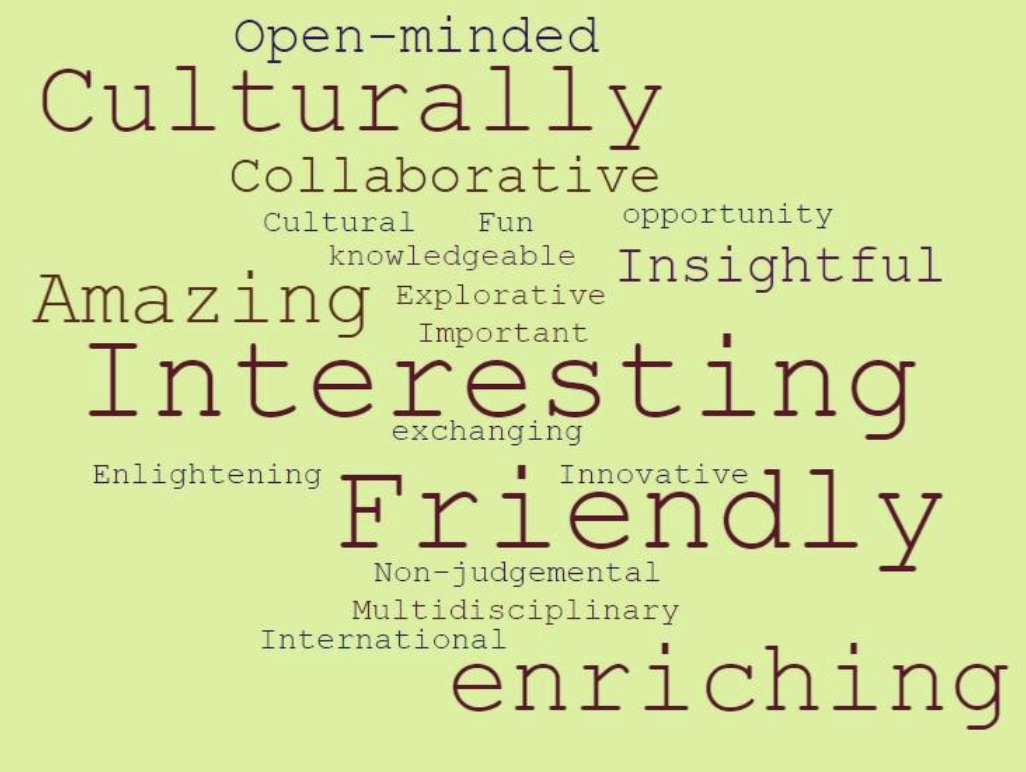
Enhancing healthcare through a multicultural and interdisciplinary collaboration in education
Zahra Aziz and Lilani Arulkadacham reflect on a multicultural and interdisciplinary educational collaboration for improved patient outcomes. Culturally responsive and collaborative healthcare practice requires flexible and collaborative educational approaches. One method is through Collaborative Online International Learning.