
Category: Learning Design
-
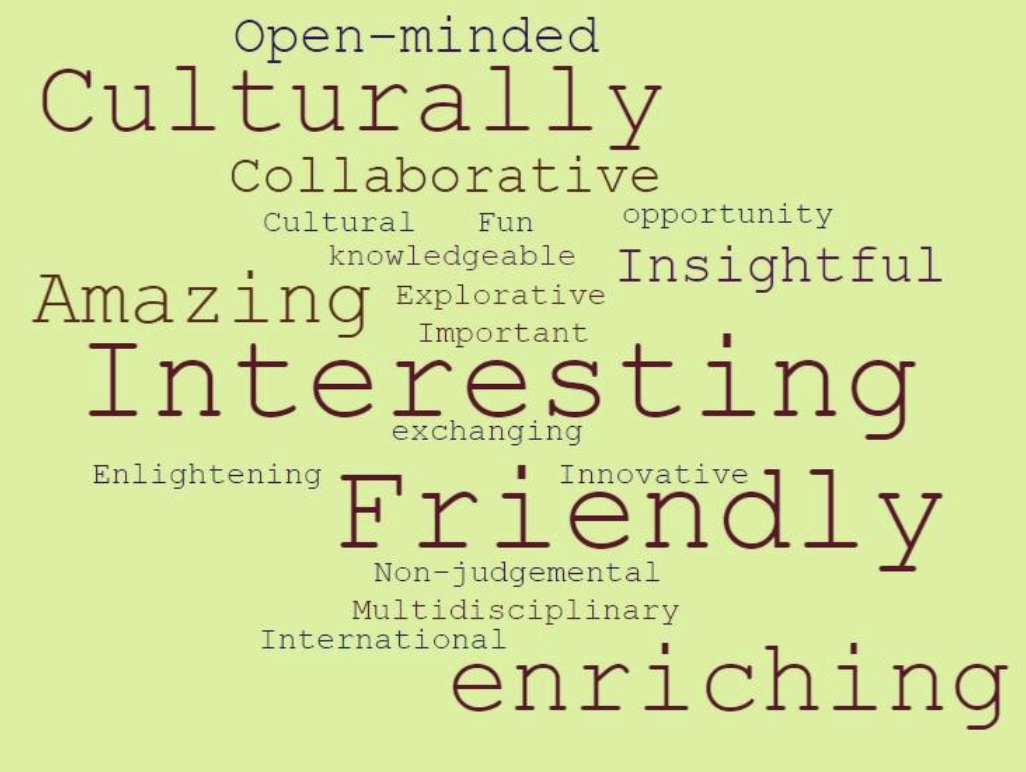
Enhancing healthcare through a multicultural and interdisciplinary collaboration in education
Zahra Aziz and Lilani Arulkadacham reflect on a multicultural and interdisciplinary educational collaboration for improved patient outcomes. Culturally responsive and collaborative healthcare practice requires flexible and collaborative educational approaches. One method is through Collaborative Online International Learning.
-
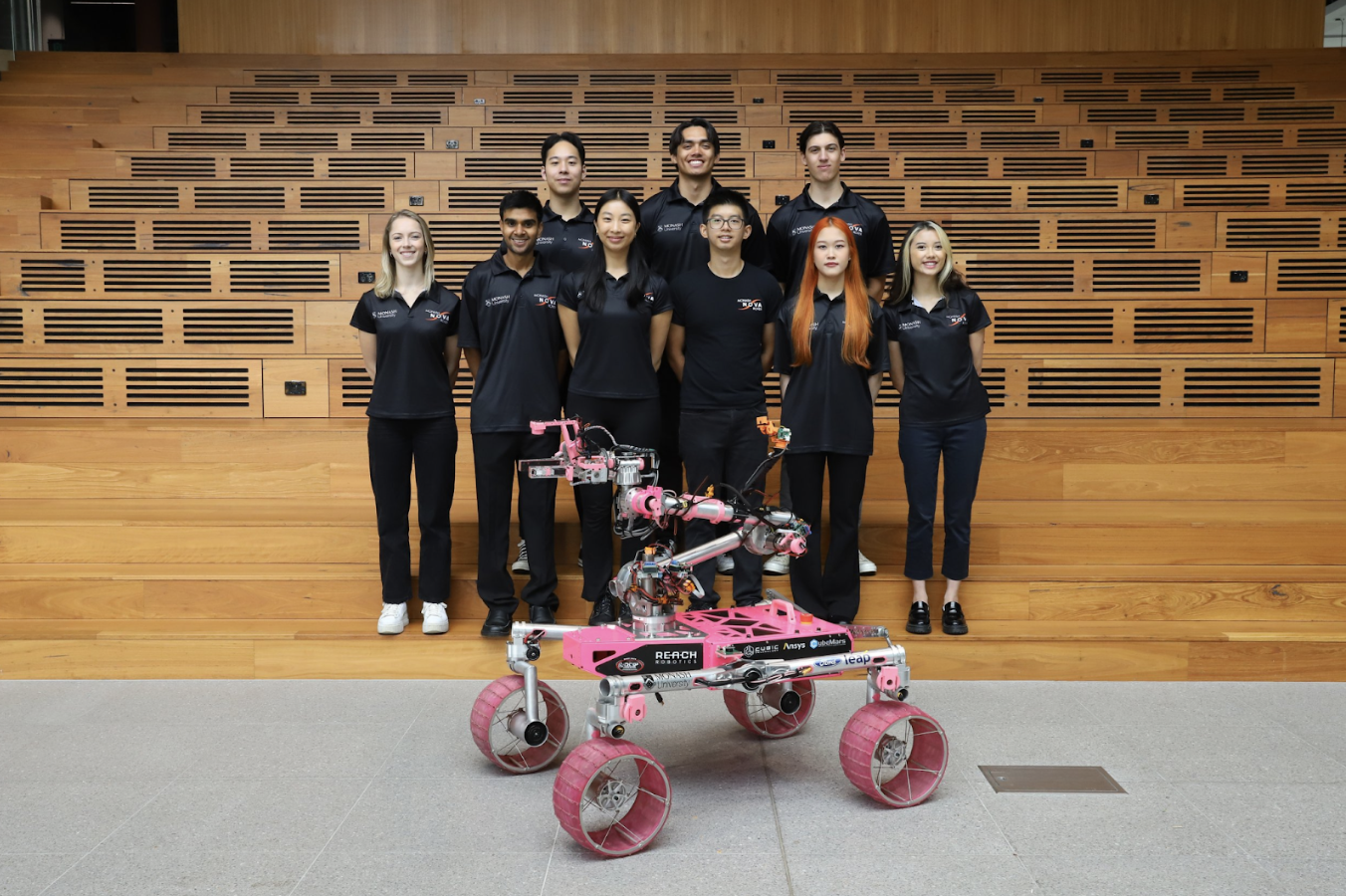
Teams@Monash: Co-designing Teamwork Education across Monash
Martijn van der Kamp and Caroline Sanz-Veitch reflect on how the initiative “Teams@Monash” contributes to teamwork education and practices across Monash. They explain its objectives, co-design approach, and findings, and propose an agenda towards making Monash the most collaborative university.
-
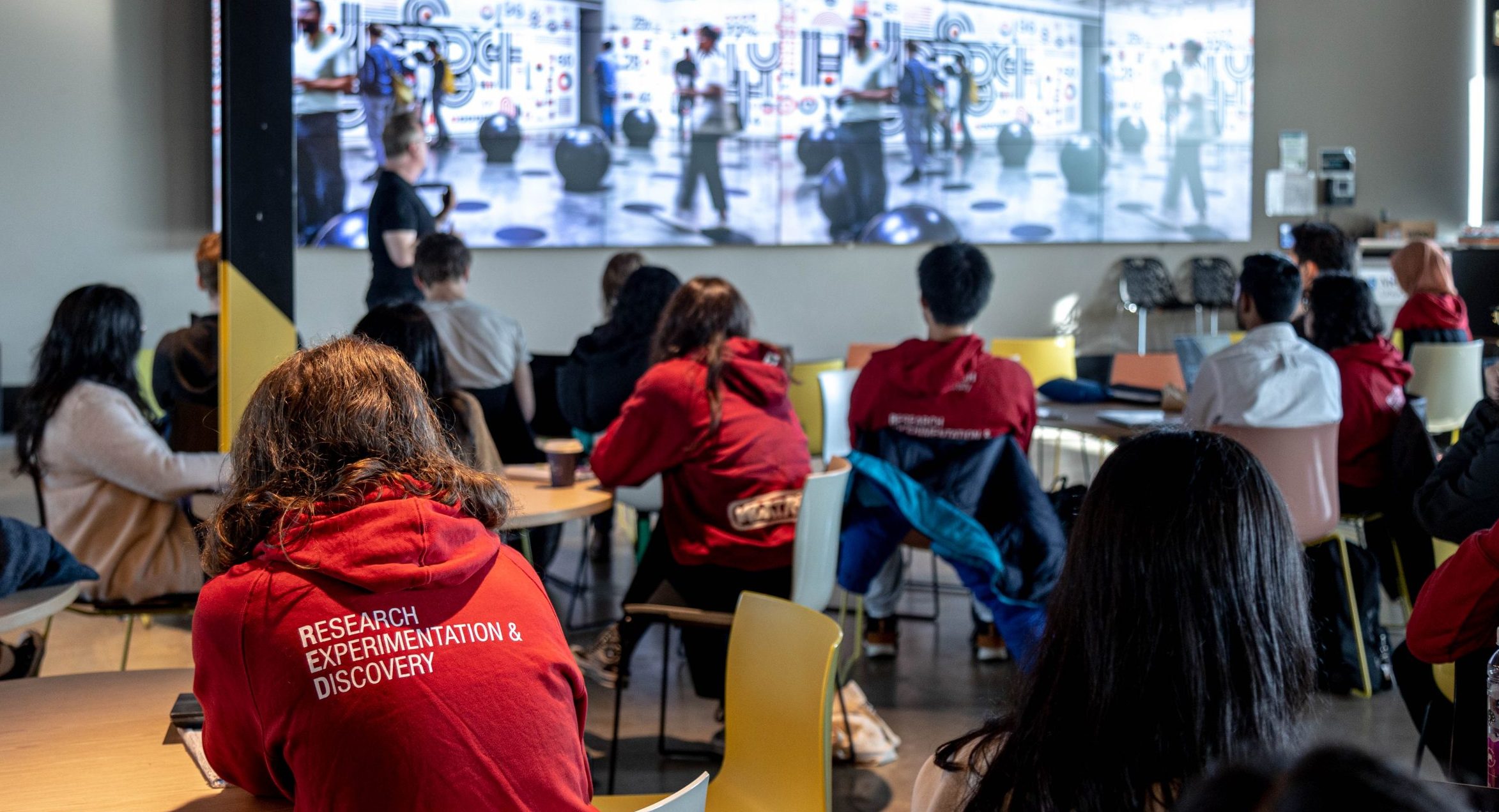
Collaborative researchers for tomorrow: Research, Experimentation and Discovery
Troy McGee and Mick Storr on fostering collaborative research for global challenges and educating students for interdisciplinary success.
-

Traditional law assessments, accreditation requirements, and authentic assessment: a solvable conundrum?
Traditional law assessments have their place, and facilitate compliance with accreditation requirements. But do they preclude authentic assessment? Associate Professor Ben Hayward suggests no: read the full blog post to find out more.
-

Compassion in accounting: A path to more sustainable futures?
Lisa Powell integrates ethics, compassion, and environmental awareness into accounting education, promoting an ethical profession and sustainability.
-

Develop skills or outsource to generative AI?
Estelle Wallingford considers the challenges of generative artificial intelligence on traditional assessment design and reflects on questions that educators might need to answer to ensure students develop essential skills to make the best use of the technology.
-

Why do some students struggle to learn online, and how can we support them?
Paula de Barba explores what it means to engage students in their learning journey and how educational technology can help.
-
Reflections on enticing students to reflect – walking a pedagogical tightrope
Karen Shelley reflects on the dynamic tension between teaching strategies that help us achieve our educational and social change goals and the need to develop students who are creative and critical thinkers.
-

But Harvard did a study on it!: How do we define ‘evidence-based practice’ within education?
Michelle Lazarus reflects on how we define teaching and learning expertise, and to what extent we can and should value experiences from those external to our local, complex educational system.
-

Applied teaching and learning with adaptive simulation using ChatGPT and some coding
Joel Moore explores the application of generative artificial intelligence in the design of adaptive simulations to create rich learning experiences for students at Monash.
-

Welcome, and thanks for joining us
Tim Fawns reveals the motivations of this blog and encourages you to connect, collaborate and contribute to the conversation.