
Author: Rebecca Khan
-
PAAIR challenge conversation: What are the issues arising from AI translation tools in higher education?
A/Prof Tim Fawns hosts a discussion with international students Tina and Selena, Dr Goh See-Kwong, Dr Helen Gniel, and A/Prof Beatrice Trefalt on the role of AI translation tools in teaching, learning, and assessment.
-

PAAIR challenge conversation: How can we respect Indigenous Knowledges in responding to the challenges of AI in education?
A post based on a thought-provoking panel discussion featuring Dr Tamika Worrell and Professor Tristan Kennedy who explored how institutions can navigate AI, honour Indigenous Knowledges, and embrace relationality and diverse perspectives in education.
-
PAAIR challenge space conversation: How do learning outcomes work in programmatic assessment?
Tim Fawns speaks with Professors Claire Palermo, Ari Seligmann, and Liesbeth Baartman about designing curricula for coherent, cumulative learning. They explore aligning outcomes across courses and units, tracking development over time, and recognising meaningful learning beyond formal assessments.
-
PAAIR challenge space conversation: What is needed to lead change towards programmatic approaches to assessment?
How do we lead sustainable, collective, programmatic change in teaching, assessment, and curriculum? Tim Fawns reflects on navigating uncertainty, tradition, and transformation in this PAAIR Challenge Space Conversation.
-
Introducing AI as a collaborator in the writing process
Ari Seligmann and the Arts Educational Design team explore AI as a collaborator in academic writing. By reimagining essays for the AI era, they offer “recipes for writing with AI” that prompt educators to rethink how AI tools can support and challenge student thinking throughout the writing process.
-

Building actual and conceptual AI toolkits for contemporary education
Ari Seligmann discusses considerations of AI tools and their introduction into higher education.
-
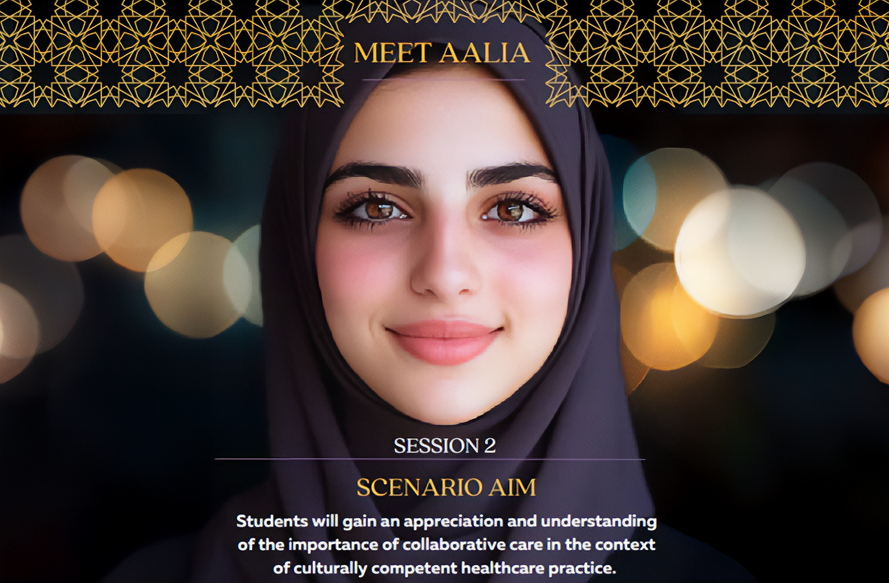
Leveraging AI simulations for enhancing cultural competence in healthcare: Insights from the COIL program
Zahra Aziz and Debra Kiegaldie narrate a story of Aalia – an AI-driven simulated patient and reflect on the role of immersive simulated educational experiences in fostering culturally sensitive approaches to patient-centred care.
-
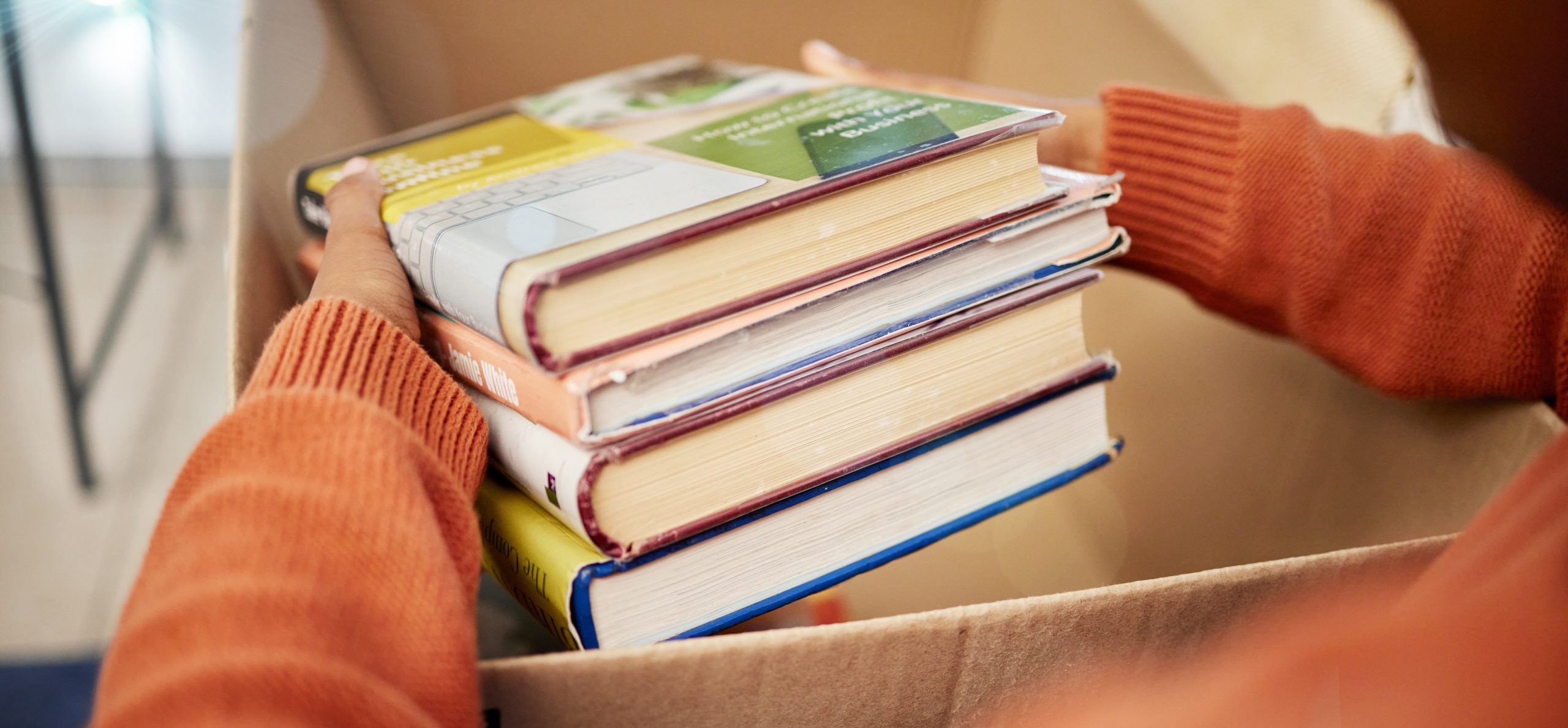
OERs: How simple textbook swaps create more inclusive student experiences
Open Educational Resources (OER) offer a powerful way to improve access, reduce costs, and support inclusive learning. Australian educators are increasingly using OERs and open access reading lists to challenge curriculum inequities, including racial, gender, and disability bias, and to address disparities in digital access and resourcing.
-
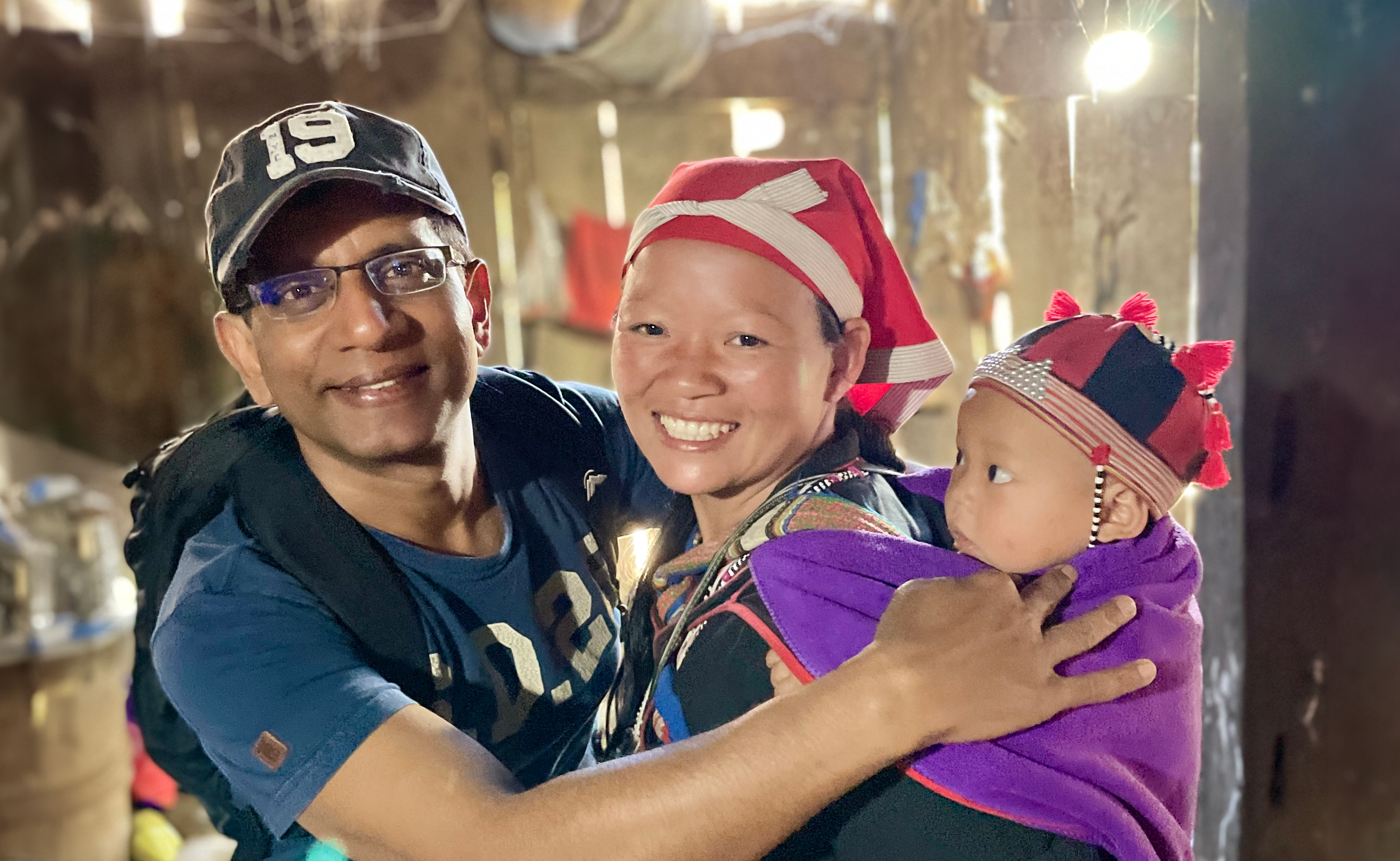
Exploring the world to enhance the classroom: A journey of multilingual learning
Raqib Chowdhury reflects on how his extensive travels across linguistically diverse regions have enriched his teaching on bi- and multilingualism. By integrating real-world ethnographic experiences, he bridges theory and practice, fostering critical reflection among students on their own linguistic identities and the socio-political forces shaping language and education.
-

Redesigning the Teaching Excellence Program: Supporting professional development for teaching excellence
Mahbub and Tim reflect on the redesigned Teaching Excellence Program (TEP) at Monash. The program’s ambitious new design aims to offer participants more choice, deeper engagement with their teaching, and stronger peer connections. However, they acknowledge that they are still exploring how these changes will take shape in practice.